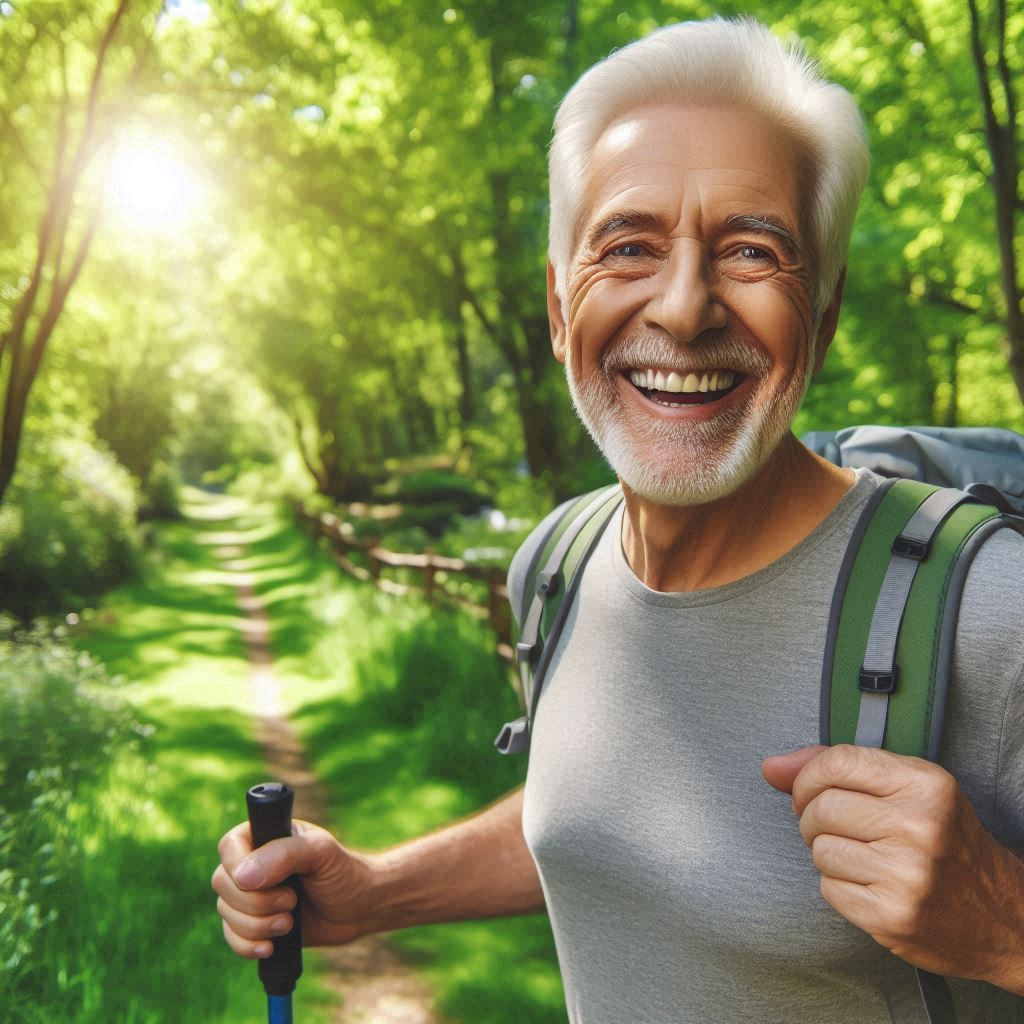
Retirement is a big change, and staying active is key. It keeps you healthy and happy. Studies show that older adults who move more have better mobility and lower disease risk.
Trying new things in retirement can be exciting. You might start hobbies, travel, or spend time with loved ones. The National Institute on Aging says staying connected is crucial. About 28% of new retirees feel lonely because they’re not as social1.
Knowing the benefits of staying active in retirement can make your golden years great. It’s all about living well and enjoying life.
A vibrant scene of active retirees engaging in various activities, such as hiking in a lush green park, practicing yoga on a sunny beach, playing tennis in a community center, and gardening in a colorful backyard, showcasing their joyful expressions and healthy lifestyles, surrounded by nature and vibrant colors.
Key Takeaways
- Remaining physically active improves retirement health significantly.
- Regular exercise can help prevent chronic diseases and boost mood.
- Engaging socially through activities lowers the risk of depression.
- Outdoor and volunteer work promote an active and fulfilled lifestyle.
- Learning new skills enhances cognitive function and memory.
The Importance of Staying Active After Retirement
Staying active after retirement is key for your health and happiness. It keeps you away from serious health problems like heart disease and weak bones. It also strengthens your immune system2.
Studies show that about one in four to five adults don’t get enough exercise. This is less than what the World Health Organization (WHO) recommends3. Learning new things can help prevent mental health issues like dementia and Alzheimer’s disease2.
Doing physical activities like gardening, dancing, and yoga helps your mind too2. For seniors, short exercise sessions of 10 to 15 minutes twice a day are best2. These activities help manage weight, improve mood, and lower stress4.
Joining group exercises or local wellness programs is great for your body and mind3. It makes you feel part of a community during retirement3. Starting a routine with 150 to 300 minutes of moderate exercise around age 55 can really help3.
Benefits of Staying Active in Retirement
As you move into retirement, staying active is key for your health. It can lower the risk of chronic diseases and boost your well-being. Studies show that active retirees enjoy many benefits that make life richer.
Improved Physical Health
Being active greatly improves your physical health. It helps keep your muscles strong, even as you age. After 60, muscle loss speeds up, but staying active can slow this down5.
It also strengthens your bones and muscles. This reduces the risk of falls, a big danger for those over 656. Even a little bit of activity, like 10 minutes a day, can save lives. It’s estimated to prevent 110,000 deaths in U.S. adults each year6.
Enhanced Mental Well-being
Staying active is also good for your mind. It helps reduce anxiety and depression, making you feel better6. It fights off feelings of loneliness, which can harm your health as you get older.
It also keeps your mind sharp, lowering dementia risk5. Joining group activities boosts your emotional health and connects you with others7.
A serene park scene with a diverse group of active seniors engaging in various physical activities, such as yoga, jogging, and tai chi, surrounded by lush greenery and blooming flowers, capturing the essence of health and happiness in retirement, warm sunlight filtering through the trees.
| Aspect | Benefits |
|---|---|
| Physical Health | Reduced chronic illness risk, stable muscle mass, stronger bones |
| Mental Well-being | Lower anxiety and depression, enhanced cognitive function, improved social connections |
| Longevity | Potential to prevent 110,000 deaths annually with increased activity |
Understanding Senior Fitness
Senior fitness is key for older adults’ health and happiness. It helps prevent chronic diseases and boosts mobility. Seniors should aim for 150 minutes of moderate exercise weekly. Even five minutes of activity can be beneficial8.
It’s also important to do muscle-strengthening activities two times a week. This helps keep strength up as you age8.
Knowing the importance of senior fitness means understanding aging’s challenges. Exercise improves strength, flexibility, and balance. It also helps with immune and digestive health, blood pressure, and disease prevention9.
Doing a variety of exercises is best for overall health8.
Always talk to a healthcare provider before starting a fitness program. They can suggest the best exercises for you. Walking for 30 minutes daily and balance exercises are great for mobility and health10.
Group exercise programs can also be motivating and fun. They offer social interaction, making fitness more enjoyable for seniors10.
Healthy Aging and Active Lifestyle
Staying active is key for healthy aging, especially in retirement. Regular exercise boosts physical, mental, and emotional health. It leads to a vibrant and fulfilling life for seniors.
Physical Activity Recommendations
Older adults should do at least 150 minutes of moderate-intensity aerobic activity weekly. Activities like brisk walking, swimming, or cycling are good. A regular exercise routine improves physical health and reduces illness and sick days11.
Studies also show that seniors over 60 who exercise daily have fewer Alzheimer’s disease biomarkers11.
Types of Exercises Suitable for Seniors
Several exercises are great for seniors. These include:
- Walking – A simple yet effective way to maintain cardiovascular health.
- Strength training – This helps combat muscle loss and improve bone density, essential for healthy aging. Post-menopausal women can lose up to 2% of bone density each year, making strength exercises vital11.
- Flexibility exercises – Yoga and tai chi enhance balance and prevent injuries, contributing to overall well-being.
- Group fitness classes – These provide not only physical benefits but also social engagement, reinforcing positive mental health12.
Programs like SilverSneakers and Fit & Strong offer tailored fitness regimes and community-building opportunities. They ensure you stay active while also forming connections with other seniors1112.
| Type of Exercise | Benefits |
|---|---|
| Walking | Improves cardiovascular health and promotes a healthy weight. |
| Strength Training | Builds muscle and bone strength, reducing the risk of osteoporosis. |
| Flexibility Exercises | Enhances balance and decreases the risk of falls. |
| Group Fitness Classes | Encourages social interactions and motivates continued participation in exercise. |
Promoting Retirement Wellness
Keeping retirees active is key to a happy retirement. It’s about staying physically fit, mentally sharp, and socially connected. Regular exercise boosts your health and keeps your mind strong as you get older13. The National Institute on Aging recommends 150 minutes of exercise a week to keep your brain sharp14.
Trying different activities like sports, dancing, or classes keeps you fit and builds friendships13. Good social connections are vital for your mental health in retirement. They help you feel less lonely and build lasting friendships15. Helping out in your community also adds to your mental health and gives you a sense of purpose13.
Look into wellness programs that teach you about nutrition and fitness. These programs are great for learning how to stay healthy in retirement14. Working with health coaches and others helps you set and reach your goals14. Joining local groups keeps you motivated and helps you stick to your wellness plans14.
Retirement wellness is a journey that involves many aspects. By focusing on physical, mental, and social health, you can enjoy a fulfilling and active retirement.
Social Connections through Physical Activities
Getting involved in retirement activities can help you make new friends. Many seniors find friends in group exercise classes or clubs. These connections help fight loneliness and boost happiness.
Studies show that retirement can change how we spend our free time. From 36% to 40% of seniors stay active16. Group workouts for 150 minutes a week help keep weight in check and build community17.
Communities that value being active offer many programs. Joining a walking club or fitness class can grow your social circle. In 2009, 44% to 49% of older adults were active, showing the power of social connections16.
It’s key to make friends through retirement hobbies and activities. This support keeps seniors motivated and active. Aiming for 30 minutes of moderate activity daily can improve brain and motor skills17.
A vibrant scene showcasing a diverse group of seniors engaging in various physical activities, including yoga in a park, tai chi by a tranquil lake, biking on a scenic trail, and dancing in a community center, surrounded by lush greenery and bright flowers, conveying joy and connection through movement and friendship.
Exercise for Seniors: Tailoring Your Routine
Regular exercise is key for seniors to stay healthy in retirement. Your routine should fit your fitness level and what you enjoy. Adding aerobic exercises and strength training can boost your health.
Aerobic Exercises
Aerobic exercises improve heart health and boost stamina. The Centers for Disease Control and Prevention suggest 150 minutes of moderate activity weekly. Activities like walking, swimming, or cycling are great options.
Breaking these activities into shorter sessions makes them easier to stick to. This can help you stay active all day.
- Walking
- Cycling
- Swimming
- Water aerobics
- Zumba
Strength and Resistance Training
Strength training is vital for muscle and bone health. It helps prevent age-related decline. Try exercises like abdominal contractions, wall pushups, and toe taps.
These exercises improve muscle strength and flexibility. They also make daily activities easier. Remember to stretch regularly to stay flexible and comfortable.
Balance exercises are crucial to prevent falls. Tai chi or yoga can improve stability. Practicing these exercises daily, even in small ways, can greatly benefit your health.
| Exercise Type | Purpose | Examples |
|---|---|---|
| Aerobic | Improve cardiovascular health and stamina | Walking, swimming, Zumba |
| Strength Training | Build muscle mass and enhance bone density | Wall pushups, toe taps |
| Balance Exercises | Prevent falls and enhance stability | Tai chi, yoga |
| Flexibility Training | Improve range of motion | Daily stretching routines |
Regular exercise can lower blood pressure and cholesterol. It also reduces the risk of diseases like diabetes and heart disease. Tailoring your exercise routine can greatly improve your retirement health.
Maintaining Cognitive Function in Retirement
Regular physical activity is key for your health and brain function as you age. Studies show that exercise boosts brain health and cognitive function. It improves memory and learning and lowers Alzheimer’s risk18.
Managing health issues like high blood pressure and diabetes also helps keep your brain sharp18. Many retirees (80%) focus on keeping their brains healthy, showing how important it is19.
Doing mentally challenging activities like learning new things and staying social also helps. These activities fight off cognitive decline from aging20. Staying connected with family and friends lowers cognitive decline risk, showing the value of social ties19.
To have a great retirement, focus on exercise, healthy eating, and staying social. This approach supports your body and brain, leading to a fulfilling retirement181920.
FAQ
What are the benefits of staying active in retirement?
Staying active in retirement keeps you physically healthy. It lowers the risk of chronic diseases. It also boosts your mood and helps you stay connected with others.
How much exercise should seniors aim for each week?
Seniors should do at least 150 minutes of moderate exercise each week. This helps keep them active and healthy.
What types of exercises are suitable for seniors?
Good exercises for seniors include walking, swimming, and strength training. Yoga and tai chi are also great. They improve health, balance, and mood.
Why is social engagement important for seniors?
Being social helps fight loneliness and boosts happiness. Joining group exercises or community activities is key. It helps seniors feel connected and emotionally well.
How does exercise impact cognitive function in seniors?
Exercise keeps the mind sharp in seniors. It lowers the risk of cognitive decline. It also improves memory and thinking skills.
What should I consider before starting an exercise program as a senior?
Choose exercises that fit your health and abilities. Always talk to a doctor before starting. This ensures your safety and success in reaching your fitness goals.
Can an active lifestyle lead to personal fulfillment in retirement?
Yes! Being active, trying new things, and traveling can give you a sense of purpose. It makes retirement more fulfilling and enjoyable.
What role does senior fitness play in retirement wellness?
Senior fitness is key to a healthy retirement. It includes activities that improve both physical and mental health. It helps prevent chronic illnesses and boosts overall well-being.
Source Links
- https://fellowshiplifeinc.org/blog/the-secret-to-happiness-for-seniors-staying-active/ – The Secret to Happiness for Seniors: Staying Active | FellowshipLIFE
- https://kentuckycounselingcenter.com/how-to-stay-active-in-retirement-advice-for-retirees/ – How to Stay Active in Retirement: Advice for Retirees
- https://physio-central.com/blogs/articles/staying-active-in-retirement – Staying Active In Retirement: How Important Is It? | PhysioCentral
- https://bucknercalderwoods.org/news-blog/staying-active-in-retirement/ – Staying Active in Retirement
- https://inclinator.com/engaging-ways-to-stay-active-and-social-during-retirement/ – Engaging Ways to Stay Active and Social During Retirement
- https://ownyourfuture.vanguard.com/content/en/learn/living-in-retirement/how-can-i-stay-active-in-retirement.html – How can I stay active in retirement?
- https://www.anglicare.org.au/media-centre/blog/7-simple-ways-to-stay-active-and-social-in-retirement/ – 7 Simple Ways to Stay Active and Social in Retirement| Anglicare | Anglicare
- https://health.gov/myhealthfinder/health-conditions/obesity/stay-active-you-get-older-quick-tips – Stay Active As You Get Older: Quick Tips – MyHealthfinder
- https://www.helpguide.org/aging/healthy-aging/exercise-and-fitness-as-you-age – Senior Exercise and Fitness Tips – HelpGuide.org
- https://www.retireguide.com/retirement-life-leisure/healthy-aging/exercise-for-seniors/ – Exercising In Retirement: Benefits, Safety & Programs
- https://www.ncoa.org/article/the-life-changing-benefits-of-exercise-after-60/ – Why Exercise Matters After 60
- https://seafields.com/the-health-benefits-of-staying-active-in-retirement – The Health Benefits of Staying Active in Retirement
- https://www.goldstonefinancialgroup.com/staying-active-and-healthy-in-retirement/ – Retirement Wellness: The Best Ways to Stay Active and Healthy
- https://www.kendalathome.org/blog/how-to-stay-active-in-retirement-exercise-and-wellness-programs – How to Stay Active in Retirement: Exercise and Wellness Programs
- https://naosa.org/staying-active-and-healthy-in-retirement/ – Staying Active and Healthy in Retirement – National Association of Senior Advocates
- https://www.ncbi.nlm.nih.gov/pmc/articles/PMC3830178/ – Physical Activity and Transitioning to Retirement: A Systematic Review
- https://fvhollandseniorliving.com/blog/staying-active-in-retirement/ – Importance of Staying Active in Retirement | Freedom Village
- https://www.nia.nih.gov/health/brain-health/cognitive-health-and-older-adults – Cognitive Health and Older Adults
- https://www.forbes.com/health/healthy-aging/cognitive-health-in-early-retirement/ – Retirement Is One Of Life’s Major Transitions—Maintaining Cognitive Health Can Make It Easier
- https://www.ncbi.nlm.nih.gov/pmc/articles/PMC6153553/ – Effect of retirement on cognitive function: the Whitehall II cohort study
Leave a Reply