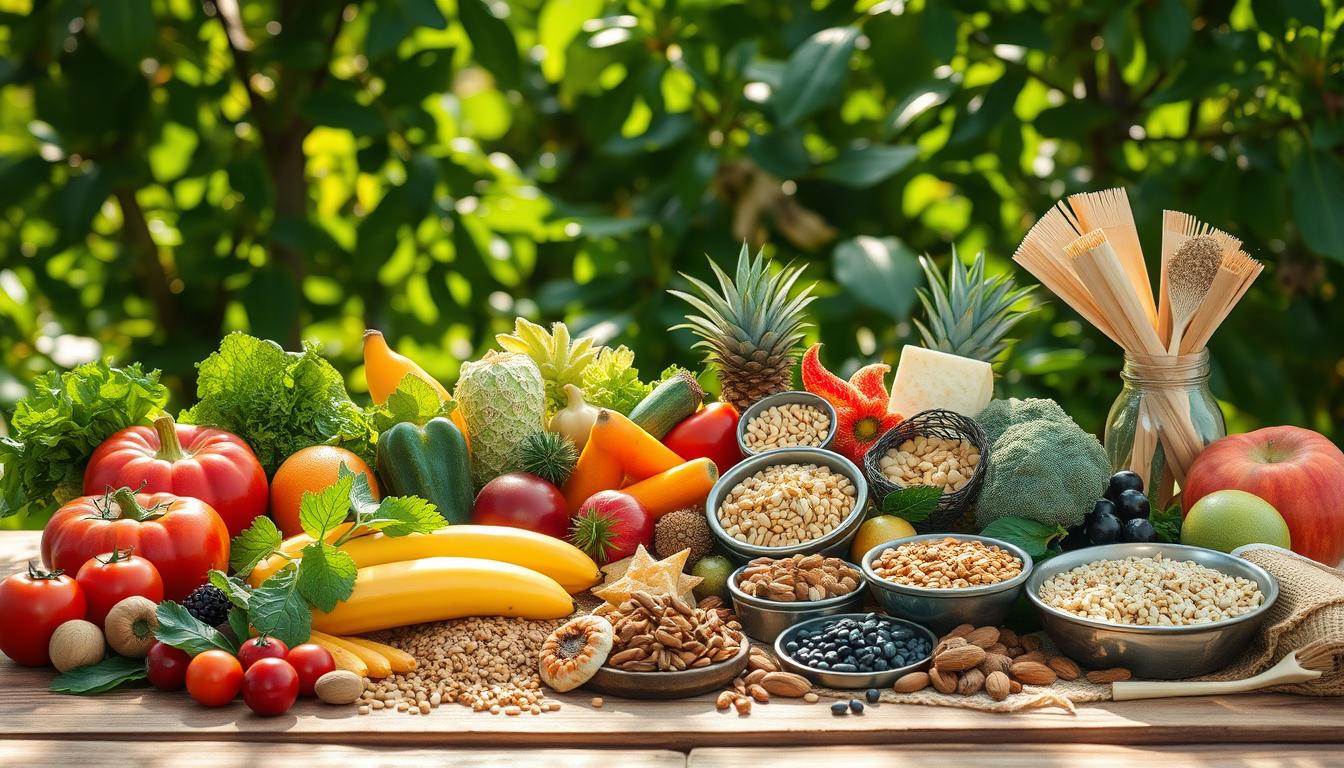
Ever thought about what it takes to reach 100 years old? While your genes matter, your daily choices have a big impact. Studies show that healthy habits like good food, exercise, and friends can help you live longer.
Many cultures, especially in Blue Zones, live long lives by making smart lifestyle choices. They focus on diet and overall well-being. By making these changes, you can increase your chances of living a long and healthy life, even to 100 years old123.

Key Takeaways
- Genetics contribute 20 to 30% to longevity, while lifestyle choices make up 70 to 80%.
- Adopting a plant-based diet can significantly improve your health and help you live longer.
- Daily exercise is critical; aim for at least 30 minutes of aerobic activity most days of the week.
- Avoiding smoking can dramatically increase your chances of living a longer, healthier life.
- Stay socially active and cultivate meaningful relationships; they are vital for maintaining good mental health.
- Proper sleep, around 7 to 8 hours a night, is essential for overall well-being.
Understanding Longevity: The Factors That Matter
Longevity is shaped by both genes and the environment. In the U.S., about 1 in 5,000 people live to be 100 years old. Most of these are women4. This shows that health is key to living a long life.
Today, people in the U.S. can expect to live to about 79 years old. This is a big jump from 54 years a century ago5. Eating right, staying active, and having strong social ties are crucial for a long life.
Regular exercise is the top factor for a long, healthy life5. The New England Centenarian Study found that centenarians age slowly and get age-related diseases later4. Eating well and managing stress also help you live longer and more vibrantly.
Genetics play a role, but they’re not the main factor in living to 855. Being fully engaged in life is essential for aging well. By following these tips, you can live longer and enjoy life more fully.

The Role of Nutrition in Increasing Life Expectancy
Nutrition is key to living longer. Eating foods rich in nutrients helps prevent chronic diseases and boosts well-being. People who eat more fruits, veggies, whole grains, and healthy fats tend to live healthier lives. Studies show that a balanced diet can greatly increase life expectancy6.
For example, eating nuts regularly can lower the risk of early death by 39%6. This shows how important it is to make smart food choices.
Plant-based foods are also linked to lower death rates from cancer and heart disease7. This highlights the role of nutrition in longevity. By picking healthy foods, you create a body-friendly environment that supports better health and longer life7.
A study on different diets found that choosing high-quality foods is crucial for longevity8. Even if you start eating healthier later in life, you can still see benefits. Small, lasting changes in your diet can greatly improve your health, showing nutrition’s role in living longer.

5 Things You Need to Do to Live to Be 100
Living to be 100 is possible with the right lifestyle habits. Certain dietary choices can greatly improve your health and lifespan. By adopting key practices, you can boost your well-being and live longer.
Avoid Overeating
One simple way to improve your health is to avoid overeating. Eating fewer calories can help you live longer. Even small cuts in daily calories can lower the risk of obesity-related diseases like diabetes and heart disease9.
Incorporate More Nuts
Nuts are tasty and full of nutrients, offering great health benefits. Eating nuts regularly can lower the risk of early death. Studies show that eating nuts three times a week can cut mortality risk by up to 39%10. Nuts are rich in protein, fiber, and healthy fats, making them great for longevity.
Include Turmeric in Your Diet
Adding turmeric to your meals can also be beneficial. Turmeric has curcumin, which fights inflammation and protects against cell damage. Early research suggests it may prevent heart disease and brain decline, helping you live longer.
Physical Activity: The Key to a Longer Life
Regular physical activity is key to living longer and healthier. Exercise improves your well-being and lowers disease risks. Aim for 150 minutes of moderate exercise each week. Short bursts of activity, like ten-minute walks, can add up to meet this goal11.
Understanding how lifestyle choices affect longevity is crucial. The dangers of inactivity are clear.
Daily Exercise Requirements
Include various physical activities in your daily routine. Walking, swimming, and dancing are effective. Traditional ballroom dancing is like brisk walking, while salsa dancing is like running12.
Combining aerobic exercises with weightlifting can lower mortality risk by 41% to 47%. This mix is great for increasing your lifespan12.
The Impact of Sedentary Lifestyle
A sedentary lifestyle raises the risk of heart disease, diabetes, and stroke. Inactivity can shorten your life. It’s important to fight these effects, as many adults don’t meet activity levels11.
Staying active is crucial. Making healthy choices supports your health and longevity.
| Type of Activity | Equivalent Exercise | Benefits |
|---|---|---|
| Traditional Ballroom Dancing | Brisk Walking | Improves cardiovascular health |
| Salsa Dancing | Running | Enhances muscle strength and endurance |
| Weight Lifting | Moderate Exercise | Decreases mortality risk by up to 47% |
| Walking | Moderate Exercise | Boosts overall health |
Choose to exercise for a longer, healthier life11.
The Importance of Not Smoking
Knowing how smoking affects your health can help you live longer. Smoking shortens your life and increases health risks like heart disease and lung cancer13. It also affects your family and community.
Quitting smoking is key to improving your health. Just 20 minutes after quitting, your blood pressure and pulse start to get better14. In 72 hours, breathing gets easier, and lung capacity increases14. These changes show how your body can heal and why quitting is so important.
After three years without smoking, your heart disease risk halves14. The Surgeon General’s report shows quitting greatly improves public health13. Every day without smoking brings you closer to a healthier life.
To see how quitting improves your health, check out this table:
| Time Since Quitting | Health Improvements |
|---|---|
| 20 minutes | Blood pressure and pulse begin to normalize |
| 3 days | Easier breathing and improved lung capacity |
| 1 year | Improved lung function and capacity, along with significant cost savings |
| 3 years | Risk of heart disease is cut in half |
| 5 years | Risk of stroke decreases to that of a nonsmoker |
| 10 years | Risk of lung cancer is halved |
| 15 years | Risk of heart attack reduces to that of a never-smoker |
Quitting smoking benefits you and those around you. It’s a big step towards a longer, healthier life. Use this knowledge to make a positive change and live better.
Managing Alcohol Intake for Better Health
Being mindful of your alcohol use can greatly improve your health and life span. It’s important to know the right amount to drink. Experts say men should not have more than two standard drinks a day. Women should limit themselves to just one15.
These rules help keep you healthy. They are based on research and health advice.
Understanding Moderate Consumption
Drinking wine in moderation can be good for you. A standard drink has about 10 grams of alcohol, which your body can handle in an hour16. The Australian Guidelines say healthy adults should not have more than 10 standard drinks a week or 4 in a day16.
Drinking too much can harm your health. It can lead to liver disease and some cancers16. The Centers for Disease Control and Prevention say too much alcohol can cause shaking, sweating, or anxiety15.
If you struggle to drink less, try new things. Socialize with people who don’t drink or have days without alcohol16. Watching your drinking and talking to a doctor if needed is smart15. A healthier relationship with alcohol can make your life better.
The Power of Happiness for Longevity
Seeking happiness can greatly impact your life span. Studies show that those who are happy may live longer and stay healthier. Emotional health is key to longevity, connecting happiness with overall well-being.
In places known as Blue Zones, people often live over 100 years. A strong sense of community and meaningful relationships are crucial for happiness and a long life17. Laurie Santos, a top psychology professor, believes true happiness comes from effort, not just external rewards18.
How Positive Thinking Influences Your Lifespan
Research shows that being optimistic can extend your life. Happy people may face a lower risk of early death18. Building strong, positive relationships is also vital. Studies found that good relationships are more important for a long, happy life than wealth or genetics19.
You can improve your emotional health in several ways:
- Practice mindfulness and meditation to stay positive.
- Express gratitude often, focusing on the good things in your life.
- Join in social activities that help you connect and feel supported.
- Work on building deeper relationships, as they greatly affect your lifespan.
The positive effects of happiness on your well-being are huge. By choosing happiness, you boost your emotional health and life span. This makes wellness a part of your daily life.
| Factor | Impact |
|---|---|
| Positive Relationships | Better predictors of longevity than wealth or status19. |
| Mindfulness Practices | Helps with emotional and mental well-being18. |
| Gratitude | Makes you see life more positively and boosts happiness18. |
| Community Engagement | Protects emotional health and helps you feel part of a community17. |
Reducing Stress and Anxiety
Managing stress and anxiety is key to staying healthy. Anxiety can lead to serious health problems and even early death. Knowing this motivates us to find good ways to handle stress.
Strategies for Stress Management
Finding out what causes your stress is the first step to feeling better. Do things you enjoy, practice mindfulness, and be around positive people. Good stress management includes:
- Building emotional strength
- Maintaining a sense of control over your environment
- Having a robust social network
- Adopting a positive outlook
Exercise can really help reduce stress. It makes you feel more in control of your health. Being outside and active not only lowers stress but also boosts your mood and resilience. Studies show that spending at least 120 minutes a week in nature improves your health and happiness. A 90-minute walk in nature can even reduce negative thoughts2021.
The Connection Between Stress and Health Conditions
The stress-management strategies you use can have big effects. Lack of control is a major stress cause, which can make problems worse. It’s best to avoid unhealthy coping habits like smoking or too much caffeine. Instead, focus on relaxation and self-care, making time for yourself.
Talking to friends and family can also help a lot. Their emotional support is crucial for your mental health and stress relief. Doing community work or volunteering can also boost your resilience and make you feel accomplished.
Finally, tackling tasks effectively by setting realistic goals can boost your confidence and stress management. Focus on the positive, practice gratitude, and accept things you can’t change. This mindset change is a big part of managing stress well20.
Nurturing Social Connections for a Longer Life
Building strong social relationships is key to your health and longevity. Studies link social contact to huge health benefits. Good relationships make us happier and healthier, as Harvard’s Grant & Glueck Study found2223.
Social isolation and loneliness are big problems. They increase risks of dementia, heart disease, and even early death22. First-generation immigrants and LGBT members are especially at risk, making it crucial to keep connections strong22. Older adults may struggle with vision loss or lack of transport, leading to isolation22.
People can handle about 150 social contacts but keep only five close friends23. Anthropological studies show these deep connections greatly impact success and happiness23.
To live longer, spend time on your relationships. Retirement and life changes can cut down on social contacts. Work on building a strong social network to stay connected and supported22.
Conclusion
Reaching 100 years old is possible with the right lifestyle choices. Eating well and staying active are key. These habits can greatly improve your life span.
A study found that men and women who ate right and stayed active were much less likely to die from heart disease and cancer24. This is over a 30-year period.
Women who followed five healthy lifestyle tips gained 14 extra years on average24. It’s clear that lifestyle choices play a big role in how long we live. About 80% of our life expectancy comes from what we do, not our genes25.
Regular exercise, managing stress, and staying connected with others are crucial for a long life. These habits are essential for longevity.
Making small changes now can make a big difference in your health. By choosing to live well, you can add years to your life and make every day more meaningful.
FAQ
What are the most important factors that influence longevity?
Longevity is shaped by both genes and our environment. Genes play a role, but lifestyle choices matter more. Eating well, staying active, and managing stress are key to a long life.
How can diet impact my life expectancy?
Eating right is crucial for longevity. Focus on fruits, veggies, whole grains, and healthy fats. Plant-based diets can lower disease risk. Bad eating habits, on the other hand, can harm your health.
What are some effective lifestyle changes to help increase my lifespan?
For a longer life, adopt a balanced diet and exercise regularly. Avoid harmful substances and manage stress. Building strong relationships also supports emotional health.
How much physical activity do I need for optimal health?
Aim for 150 minutes of moderate exercise weekly. Even small daily activities can help. They reduce mortality risk and promote a healthier life.
What role does happiness play in longevity?
Happiness is linked to a lower risk of early death. Emotional well-being is as important as physical health. Staying positive can contribute to a long life.
How can I manage stress for better health?
Manage stress with mindfulness, exercise, and positive relationships. Understanding stress’s impact helps you make healthy lifestyle choices. This supports well-being and longevity.
What are the risks associated with smoking and longevity?
Smoking greatly shortens life, losing up to a decade. It increases heart disease and cancer risks. Quitting at any age can significantly improve life expectancy.
How can alcohol consumption affect my health?
Moderate wine drinking may have health benefits. Women should limit to one drink daily, men to two. But too much alcohol can lead to liver disease and death.
Why are strong social connections important for longevity?
Healthy social networks boost longevity. They can increase survival chances by up to 50%. Social support and belonging are vital for well-being.
Source Links
- https://www.today.com/health/aging/how-to-live-to-100-rcna104086 – 5 habits to borrow from people who’ve lived to 100
- https://www.aarp.org/health/healthy-living/info-2023/life-advice-from-centenarians.html – What’s It Take to Get to 100?
- https://www.geisinger.org/health-and-wellness/wellness-articles/2017/08/24/14/54/whats-the-secret-to-living-to-100 – What’s the secret to living to 100?
- https://www.bu.edu/articles/2022/why-do-people-live-to-100-and-how/ – Why Do Some People Live to 100—and How?
- https://newsinhealth.nih.gov/2016/06/can-you-lengthen-your-life – Can You Lengthen Your Life?
- https://www.healthline.com/nutrition/13-habits-linked-to-a-long-life – Habits to Form Now for a Longer Life
- https://www.ncbi.nlm.nih.gov/pmc/articles/PMC10574171/ – The Role of Healthy Diet and Lifestyle in Centenarians
- https://www.medicalnewstoday.com/articles/how-a-healthy-lifestyle-after-age-80-can-help-you-live-to-be-100 – How to live to 100: Stay active, eat healthy after age 80
- https://alumnimagazine.osu.edu/story/live-healthy-100 – 8 tips to live to 100 | Ohio State Alumni Magazine
- https://www.everydayhealth.com/healthy-aging/what-habits-can-help-you-live-to-be-one-hundred-years-old/ – These Habits Can Help You Live to Be 100
- https://www.webmd.com/healthy-aging/ss/slideshow-longer-life-secrets – 18 Secrets for a Longer Life
- https://www.aarp.org/health/healthy-living/info-2024/exercises-to-live-longer.html – 10 Exercises for Longevity
- https://www.cancer.org/cancer/risk-prevention/tobacco/benefits-of-quitting-smoking-over-time.html – Health Benefits of Quitting Smoking Over Time
- https://www.healthline.com/health/what-happens-when-you-quit-smoking – What Happens When You Quit Smoking: A Timeline of Health Effects
- https://www.healthhub.sg/live-healthy/alcohol-and-health-set-your-drinking-limits – Alcohol and Health—Set Your Drinking Limits
- https://www.healthdirect.gov.au/tips-for-safe-drinking – Tips for safe and responsible drinking
- https://nypost.com/2024/02/28/lifestyle/9-ways-to-live-to-100-and-have-fun-while-doing-it-according-to-longevity-experts/ – 9 ways to live to 100 and have fun while doing it, according to longevity experts
- https://www.lucasballasy.com/posts/blt-no-094-longevity-health-and-happiness – BL&T No. 094: Longevity, Health, and Happiness | Lucas Ballasy
- https://news.harvard.edu/gazette/story/2017/04/over-nearly-80-years-harvard-study-has-been-showing-how-to-live-a-healthy-and-happy-life/ – Over nearly 80 years, Harvard study has been showing how to live a healthy and happy life
- https://www.nhs.uk/mental-health/self-help/guides-tools-and-activities/tips-to-reduce-stress/ – 10 stress busters
- https://www.heart.org/en/healthy-living/healthy-lifestyle/stress-management/spend-time-in-nature-to-reduce-stress-and-anxiety – Spend Time in Nature to Reduce Stress and Anxiety
- https://mcpress.mayoclinic.org/healthy-aging/a-surprising-key-to-healthy-aging-strong-social-connections/ – A surprising key to healthy aging: Strong social connections – Mayo Clinic Press
- https://www.becomingminimalist.com/happy-life/ – The Single Most Important Factor in Leading a Happy, Fulfilling Life–According to Science
- https://news.harvard.edu/gazette/story/2018/04/5-healthy-habits-may-increase-life-expectancy-by-decade-or-more/ – 5 healthy habits may increase life expectancy by decade or more
- https://www.ncbi.nlm.nih.gov/books/NBK298903/ – Lessons from the Blue Zones® – Business Engagement in Building Healthy Communities
Leave a Reply