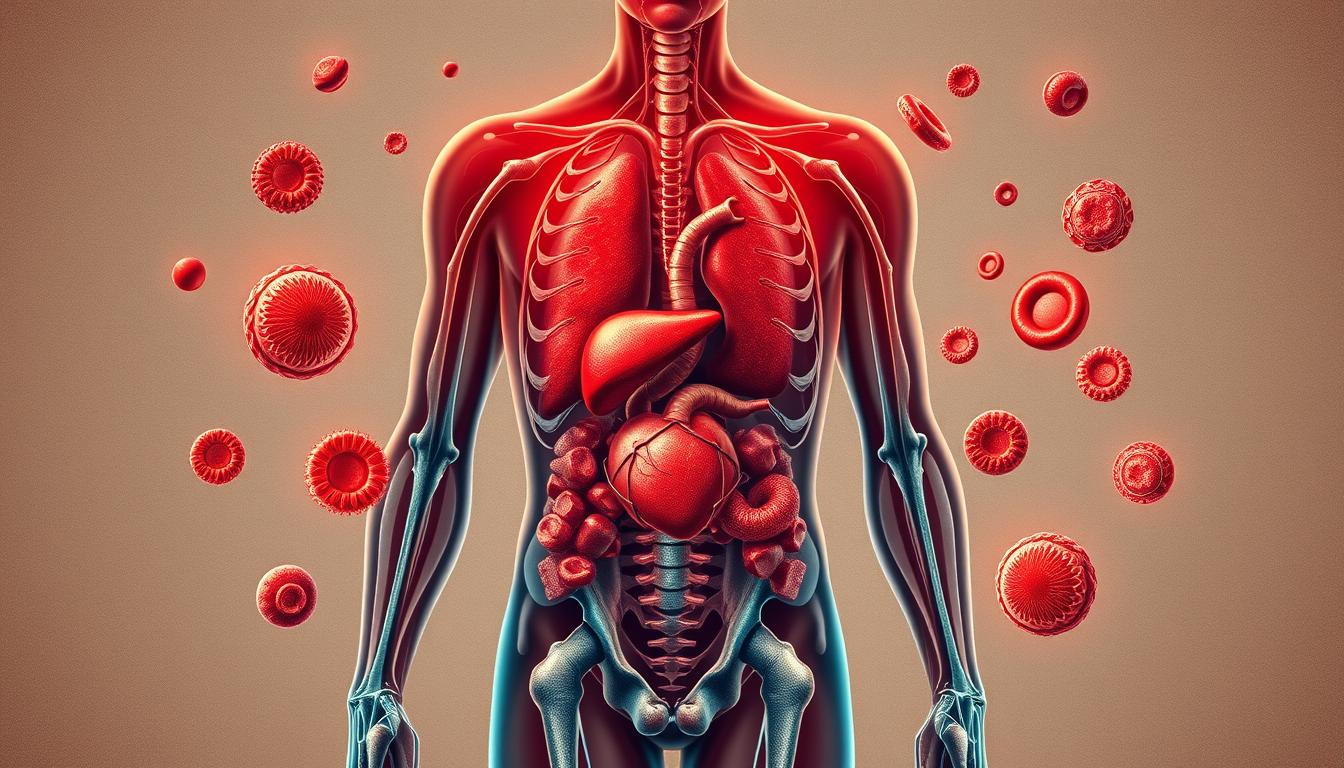
As you get older, staying healthy is key. Iron is a vital nutrient that many forget about. It helps your body in many ways, especially for those over 50.
Iron helps make hemoglobin and myoglobin. These carry and store oxygen in your body. It also helps make hormones and keep cells healthy.
But, as you age, your body absorbs iron less well. This raises the risk of iron deficiency. For those over 50, it’s crucial to keep iron levels up. This helps avoid anemia and ensures your cells get enough oxygen.
The National Institutes of Health (NIH) says adults over 50 need 8 mg of iron daily1.

Key Takeaways
- Iron helps produce hemoglobin and myoglobin, aiding oxygen transport and muscle function.
- It’s essential for hormone production and maintaining healthy cells.
- Adults over 50 are at higher risk of iron deficiency due to decreased absorption rates.
- Maintaining adequate iron levels can prevent anemia and related symptoms.
- The NIH recommends that adults over 50 consume 8 mg of iron daily1.
The Role of Iron in the Body
Iron is a key mineral in our bodies. It helps our muscles and makes sure we get enough oxygen. It’s very important, especially as we get older.
Hemoglobin and Oxygen Transport
Iron helps make hemoglobin, a protein in red blood cells. This protein carries oxygen from our lungs to the rest of our body. It’s vital for energy and feeling good.
About 10% of women in the U.S. don’t have enough iron. This shows how important it is for our health2. Without enough iron, our bodies can’t make enough healthy red blood cells2.
Myoglobin and Muscle Health
Iron also helps in muscles. It’s part of myoglobin, which stores and releases oxygen. This helps our muscles work better.
Older adults need more iron for their muscles. Babies and toddlers need a lot too because they grow fast2. Iron is key for growing strong and keeping muscles healthy at any age.

Hormone Production
Iron is also needed for making hormones. Hormones control many things in our body, like how we feel and how our body works. They help us stay healthy.
Some people absorb too much iron, which can be bad. This can lead to too much iron in the body2.
| Age Group | Recommended Daily Allowance of Iron (mg) |
|---|---|
| Infants (0-6 months) | 0.27 |
| Infants (7-12 months) | 11 |
| Children (1-3 years) | 7 |
| Children (4-8 years) | 10 |
| Males (9-13 years) | 8 |
| Females (9-13 years) | 8 |
| Females (14-18 years) | 15 |
| Males (14-18 years) | 11 |
| Females (19-50 years) | 18 |
| Males (19 years and older) | 8 |
| Females (51 years and older) | 8 |
| Pregnant Women | 27 |
| Lactating Women (younger than 18 years) | 10 |
| Lactating Women (older than 19 years) | 9 |
Iron needs change with age and other things like being pregnant or breastfeeding3. Getting enough iron is important for staying healthy and feeling good, especially as we get older.
Daily Iron Requirements for Adults Over 50
It’s important to know how iron affects your health, especially as you get older. The amount of iron you need changes with age and gender.

Recommended Amounts
As you get older, your body absorbs iron less well. So, adults over 50 need 8 mg of iron every day, no matter if they are male or female4. This is less than the 18 mg needed by women between 19 and 50 years old5. It’s key to watch your iron intake to stay healthy and avoid iron deficiency.
Differences Between Men and Women
Iron needs change with age and gender, especially for women. Before menopause, women need more iron because of their periods. But after menopause, their iron needs drop to match men’s, at 8 mg/day4. This means that for adults over 50, both men and women need the same amount of iron.
It’s vital to manage your iron intake to avoid deficiencies and stay healthy as you age. By keeping track of these needs, you can plan a diet that fits your body’s needs.
| Age | Gender | Iron Daily Intake (mg) |
|---|---|---|
| 19-50 | Female | 18 |
| 19+ | Male | 8 |
| 50+ | Female | 8 |
Sources of Iron in the Diet
It’s important to know about iron sources in your diet. Both heme iron and nonheme iron are key for good health, especially as you get older.
Heme Iron vs. Nonheme Iron
Heme iron is in animal products like red meat, fish, and poultry. It’s easier for your body to use than nonheme iron from plants. About 70% of iron in your body makes hemoglobin, and 25% is stored in ferritin, mostly in the liver and immune cells6.
The body can use up to 40% of heme iron. But nonheme iron’s bioavailability is between 2-20%7.
Iron-Rich Foods
Eating iron-rich foods helps meet your iron needs. Organ meats, beef, and seafood like oysters and mussels are great. Dark leafy greens and plant-based foods like lentils, beans, and fortified cereals also boost iron intake68.
| Food Source | Iron Content |
|---|---|
| Beef liver (3 oz) | 5.4 mg |
| Oysters (3 oz) | 8 mg |
| Spinach (cooked, 1 cup) | 6.4 mg |
| Lentils (cooked, 1 cup) | 6.6 mg |
| Fortified cereals (1 cup) | 18 mg |
Enhancers and Inhibitors of Iron Absorption
Knowing what helps or hinders nonheme iron absorption is key. Foods high in vitamin C, like oranges and strawberries, boost iron absorption from plants. But, substances like phytates in grains and some polyphenols in tea and coffee can block iron absorption687.
Mixing iron sources with foods that help absorption is a top diet tip for iron. It ensures your diet meets your iron needs.
How Important is Iron Over 50
As we get older, it’s more important to keep iron levels up. Iron helps carry oxygen and makes energy. This is key for feeling good and staying healthy.
For seniors, iron helps fight off anemia. Anemia is a big problem for older adults because they often don’t have enough iron.
Iron deficiency is a big deal worldwide. The World Health Organization says it affects 30% of people globally. It’s especially common in women and female athletes.
Low iron can make you feel tired and out of breath. If not treated, it can lead to anemia9
As we age, our bodies absorb iron less well. Eating foods rich in iron is key. But, how well our body absorbs iron from food matters a lot.
Red meat is a good source of iron, but dark greens like spinach are not as good. Knowing what foods help or hurt iron absorption is important.
Iron in food can help prevent deficiency. Knowing how to boost iron absorption is also key. Vitamin C helps, but tea can hurt it.
Keeping iron levels up is vital for seniors. Regular tests can help. Good diet and supplements can improve energy and life quality for those over 50.
Symptoms of Iron Deficiency in Older Adults
Finding iron deficiency symptoms in older adults is key. These signs can sneak up on you. If ignored, they can really hurt your health and happiness.
Fatigue and Weakness
Feeling very tired and weak is a big sign. Your body can’t carry enough oxygen without enough iron. This makes muscles and tissues tired and weak10.
Older adults often get tired more easily. This is because they might already have anemia. Anemia affects 8 to 44 percent of them10.
Poor Concentration and Memory
Iron also helps your brain work well. Without enough iron, you might find it hard to focus and remember things. This can make everyday tasks harder and lower your happiness11.
Iron is important for your brain. Not having enough can make you forget things and struggle to focus11. This is bad news for older adults, especially those with chronic diseases12.
Weakened Immune System
Iron is also key for a strong immune system. Without enough iron, older adults get sick more often. This is because their immune system is weak12.
Living in places like nursing homes can make things worse. Up to 47 percent of residents there might have anemia. This makes their health even more fragile12.
Spotting these symptoms early and getting help is important. It can make a big difference in how well older adults live.
Risks of Excess Iron Intake
Iron is good for us, but too much can be bad. It’s key to know the dangers of too much iron and how it can mix with medicines.
Toxicity and Organ Damage
Too much iron can be harmful. Even a small amount can cause problems. Taking too much can be very dangerous13.
People getting many blood transfusions can get too much iron. This can hurt their organs13. Eating too much iron can also increase the risk of colon cancer13.
Hereditary hemochromatosis is a genetic issue. It makes the body absorb too much iron. This can harm the liver and pancreas, leading to serious problems14.
Interactions with Medications
Iron supplements can also mess with medicines. This is especially true for people over 50. Too much iron can make it harder for the body to absorb other important nutrients14.
Iron overload can lead to many health issues. This includes cancer, arthritis, and heart problems. These conditions often need special medicines that can be affected by too much iron14.
| Condition | Iron Intake Risk | Implications |
|---|---|---|
| Hereditary Hemochromatosis | High Absorption | Liver Cirrhosis, Diabetes |
| Red Blood Cell Transfusions | Chronic Overload | Organ Damage |
| High Heme Iron Diet | Increased Cancer Risk | Colon Cancer |
Iron Supplements: When and When Not to Use Them
Iron supplements can help your health, but you must know when to use them. A balanced diet is best, but sometimes supplements are needed. This is especially true for those with iron deficiency anemia. Always talk to a doctor before starting supplements to avoid problems.
Types of Iron Supplements
There are many iron supplements to choose from. Ferrous sulfate, ferrous fumarate, and ferrous gluconate are common. Each has different iron levels and how well they are absorbed15.
Ferrous sulfate is often recommended because it’s absorbed well. Other types might be better for some people based on their health and what their doctor says15. Taking iron tablets with vitamin C can help them work better16.
Consulting Your Doctor
Always talk to your doctor before starting iron supplements. They will decide if you need them, what type, and how much. Your health, medicines, and diet are important in this choice.
Iron supplements can cause stomach problems, nausea, and constipation. It’s important to follow your doctor’s advice carefully16. They can also affect some medicines, like NSAIDs and stomach medications15.
Iron supplements are good for some groups, like pregnant women and people with kidney failure16. But, taking too much iron can harm your body15.
Health Conditions Affecting Iron Absorption
Iron absorption can be affected by many health conditions. This is especially true for adults over 50. Gastrointestinal diseases and chronic illnesses are big barriers to getting enough iron.
Gastrointestinal Disorders
GI disorders like inflammatory bowel disease and celiac disease can hurt iron absorption. These diseases damage the gut, making it hard to absorb nutrients like iron. For example, Helicobacter pylori infections, common in those over 60, can lead to anemia17.
It’s important to treat these GI disorders to keep iron levels up. This helps prevent iron deficiency anemia.
Chronic Diseases
Chronic health conditions also affect iron metabolism. Diseases like renal failure and chronic heart disease change how iron is used in the body. Anemia can result from less iron absorption or more iron use.
Research shows that blood loss from medications and conditions is a big reason for anemia in older adults1718. Knowing how chronic diseases impact iron is key for better diet and supplements.
If you have these conditions, talk to your doctor about your diet and supplements. This can help improve iron absorption and your health.
FAQ
Why is iron important for adults over 50 years?
Iron helps older adults carry oxygen in their blood. It also helps muscles store oxygen and makes hormones. As we get older, our bodies absorb iron less well. So, it’s key to keep an eye on how much iron we eat.
What role does iron play in the body?
Iron helps make oxygen-carrying hemoglobin and muscle-storing myoglobin. It also helps make hormones. These roles are vital for muscle health and overall well-being, especially for those over 50.
How much iron should adults over 50 intake daily?
Adults over 50 need 8 mg of iron each day. This is the same for both men and post-menopausal women. This is because menstruation stops, which reduces iron loss in women.
What are the differences between heme and nonheme iron?
Heme iron is in animal products like meat and is easier for the body to absorb. Nonheme iron is in plants like beans and is harder to absorb. Eating both types helps keep iron levels right.
Can you list some iron-rich foods?
Yes! Iron-rich foods include lean meats, seafood, poultry, iron-fortified cereals, beans, and spinach. Eating a variety of these foods helps ensure you get enough iron.
What factors enhance or inhibit iron absorption?
Vitamin C helps absorb nonheme iron, so eating it with vitamin C-rich foods is good. But, things like phytates in grains and polyphenols in tea and coffee can block iron absorption. Knowing this helps you eat better for iron.
How important is iron for individuals over 50?
Iron is very important for those over 50. It helps prevent anemia, supports energy, and ensures oxygen gets around the body. As iron absorption drops with age, keeping iron levels up is key for health and energy.
What are the symptoms of iron deficiency in older adults?
Signs include chronic fatigue, weakness, poor concentration, and a weak immune system. These symptoms can sneak up on you and are often missed without regular checks.
What are the risks associated with excessive iron intake?
Too much iron can harm organs like the liver and heart. It can also make some medicines less effective. It’s important to keep iron levels balanced and consider how it interacts with other things you take.
When should iron supplements be used, and when should they be avoided?
Iron supplements should be used carefully and with a doctor’s advice. There are different types for different needs. A doctor can help figure out if you need them, what kind, and how much.
What health conditions affect iron absorption?
Conditions like inflammatory bowel disease can make it hard to absorb iron. So can chronic diseases like kidney failure and heart disease. Knowing this helps tailor your diet and supplements better.
Source Links
- https://ods.od.nih.gov/factsheets/Iron-Consumer/ – Office of Dietary Supplements – Iron
- https://www.webmd.com/vitamins-and-supplements/features/iron-supplements – Iron: What You Need to Know
- https://www.healthline.com/health/iron-nutrient – Iron Nutrient Overview: The Role It Plays in Our Health
- https://www.healthline.com/nutrition/how-much-iron-per-day – How Much Iron Should You Be Getting Daily?
- https://www.webmd.com/diet/supplement-guide-iron – Dietary Iron and Iron Supplements
- https://www.webmd.com/diet/iron-rich-foods – Top Iron-Rich Foods List
- https://www.medicalnewstoday.com/articles/287228 – Iron: Recommended intake, benefits, and food sources
- https://health.clevelandclinic.org/how-to-add-more-iron-to-your-diet – 52 Foods High In Iron
- https://www.healthline.com/nutrition/iron-supplements-who-should-take – Iron Supplements: Who Should Take Them?
- https://www.aafp.org/pubs/afp/issues/2000/1001/p1565.html – Anemia in the Elderly
- https://pmc.ncbi.nlm.nih.gov/articles/PMC4157323/ – Iron status in the elderly
- https://www.aafp.org/pubs/afp/issues/2018/1001/p437.html – Anemia in Older Adults
- https://www.news-medical.net/health/What-Happens-if-You-Take-Too-Much-Iron.aspx – What Happens if You Take Too Much Iron?
- https://www.healthline.com/nutrition/why-too-much-iron-is-harmful – The Dark Side of Iron – Why Too Much is Harmful
- https://www.mountsinai.org/health-library/supplement/iron – Iron Information | Mount Sinai
- https://www.sabm.org/patient-s-guide-to-oral-iron-supplements – Patient’s Guide to Oral Iron Supplements
- https://www.medicalnewstoday.com/articles/iron-deficiency-anemia-in-elderly – Why is iron deficiency anemia common among older adults?
- https://www.uptodate.com/contents/anemia-caused-by-low-iron-in-adults-beyond-the-basics/print – Patient education: Anemia caused by low iron in adults (Beyond the Basics)
Leave a Reply